Популярные вопросы форума
СпроситьВопросов нет. Будьте первым, кто задаст вопрос!
Документы
Общие сведения
Система FreeStyle Libre Pro была разработана подразделением Abbott Diabetes Care как часть достижений в области технологий непрерывного мониторинга глюкозы (CGM). Эта система использует небольшой датчик, носимый на теле, для непрерывного измерения уровня глюкозы в интерстициальной жидкости. Лежащая в основе технология FreeStyle Libre была разработана с учетом удобства использования; в частности, она отличается заводской калибровкой, что избавляет пациентов от необходимости проверять уровень глюкозы в крови путем прокола пальца для калибровки системы. Система FreeStyle Libre Pro, первоначально выпущенная в Европе примерно в 2014 году, стала первым продуктом, использующим эту технологию, который получил одобрение FDA в США в сентябре 2016 года, что ознаменовало официальный выход компании на американский рынок CGM.
Система FreeStyle Libre Pro была стратегически представлена как профессиональная «закрытая» система. В такой конфигурации пациент не может видеть свои данные об уровне глюкозы в режиме реального времени. Эта «закрытость» позволяет медицинским специалистам получить объективную и полную 14-дневную запись паттернов и вариабельности уровня глюкозы пациента. Собранные данные затем ретроспективно анализируются врачом после удаления датчика, что служит объективной основой для принятия обоснованных решений по коррекции терапии. Подтверждение клинической эффективности и регуляторного доверия к датчику проложило путь к последующему одобрению в 2017 году «открытой» системы для персонального использования FreeStyle Libre, которая предоставляет пациентам данные об уровне глюкозы в режиме реального времени для ежедневного самостоятельного контроля.
Идентификация
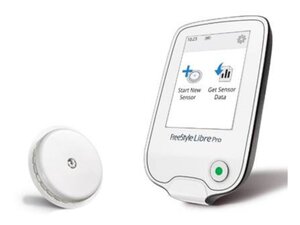
Ключевой идентификационной особенностью является то, что после установки датчика на руку пациенту не выдается ридер и не предоставляется доступ к приложению на смартфоне для просмотра уровня глюкозы. Датчик незаметно и автоматически записывает данные за полные две недели, которые затем загружаются с помощью отдельного профессионального ридера, хранящегося в кабинете врача, после того как пациент возвращается на прием. Такая настройка означает, что пациент не может вносить коррективы в процесс управления своим диабетом в реальном времени, поскольку вся цель состоит в том, чтобы предоставить врачу полную и объективную картину ежедневных тенденций уровня глюкозы для выбора тактики лечения.


Технические характеристики
Датчик:
Срок ношения — до 14 дней
Измерение глюкозы — автоматически измеряет уровень глюкозы в интерстициальной жидкости каждую минуту
Хранение данных — сохраняет показатели уровня глюкозы с интервалом в 15 минут, записывая до 1340 результатов за период до 14 дней
Размер датчика — примерно 5 мм x 36 мм
Место установки — задняя поверхность плеча (устанавливается медицинским специалистом)
Водостойкость — водостойкий (можно носить в душе, во время занятий спортом и т. д.)
Калибровка — калибровка по крови из пальца не требуется (выполняется на заводе)
Взаимодействие с пациентом — не требуется после установки (это CGM с «закрытыми» данными)
Источник питания — 1 батарейка с оксидом серебра (находится внутри одноразового датчика)
Ридер:
Тип устройства — портативное устройство для медицинского специалиста
Функция — активирует датчик, а позже используется для считывания и загрузки данных об уровне глюкозы за 14 дней, хранящихся в датчике
Загрузка данных — считывание данных занимает всего пять секунд
Беспроводная связь — использует беспроводную радиочастотную связь. Для сканирования датчик и ридер должны находиться на расстоянии около 4 см друг от друга
Интерфейс — обычно включает цветной сенсорный дисплей и порт micro-USB для зарядки и загрузки данных
Оповещения/сигналы тревоги — отсутствуют в самой системе, так как данные являются «закрытыми» и просматриваются врачом ретроспективно
Программное обеспечение — данные анализируются с помощью программного обеспечения LibreView™ FreeStyle Libre Pro
Точность — система имеет показатель MARD (среднее абсолютное относительное различие) 12,3% в течение 14 дней без калибровки по крови из пальца
FreeStyle Libre Pro является системой исключительно для профессионального использования. Данные скрыты от пациента и предназначены для медицинского специалиста, который анализирует ретроспективные тренды и закономерности для принятия решений о терапии. Версии для личного пользования (такие как FreeStyle Libre 14 day, 2 или 3) имеют другие технические характеристики и функции, например, считывание данных по запросу или отображение уровня глюкозы/сигналы тревоги в реальном времени для пользователя.
Дополнительная информация
Национальная медицинская библиотека