
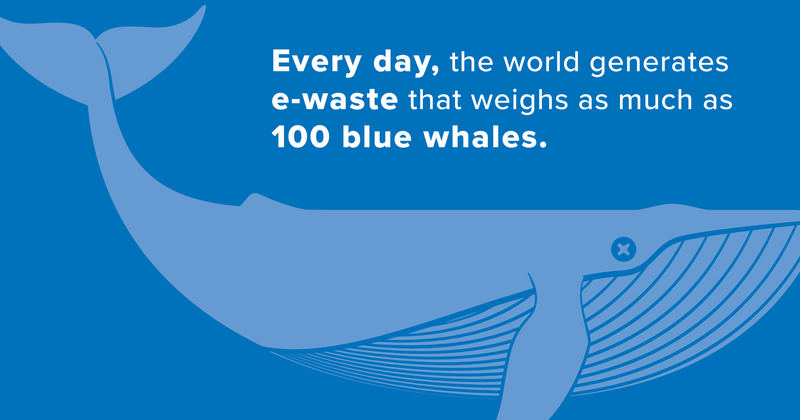
Ежегодно в мире образуется более 50 миллионов тонн электронных отходов (e-waste). При этом во всем мире мы перерабатываем лишь 12,5 % образующихся электронных отходов, и ни одна страна не перерабатывает даже их половину. Попадая в обычный мусор, электронные отходы могут загрязнять воду и наносить вред дикой природе.
Например, в лагуне Корле рядом с незаконной свалкой электронных отходов концентрация меди оказалась в 66 раз выше допустимого порога безопасности. Медь токсична для многих беспозвоночных и может повреждать жабры, почки и другие органы у большинства рыб. В организмах людей, живущих в районах с крупными свалками электроники, обнаруживают тяжелые металлы в концентрациях, указывающих на риск развития рака, нейроразвития, дисфункции щитовидной железы и повреждения ДНК.
Ремонт — это лучший способ, чем утилизация, для сокращения количества электронных отходов и сохранения материалов и энергии, затрачиваемых на производство электроники. Если бы мы пользовались смартфонами в среднем на год дольше, это эквивалентно сокращению углеродного следа, как если бы с дорог убрали 636 000 автомобилей.
Тем не менее ремонт все равно приводит к образованию отходов: разбитых экранов и вышедших из строя аккумуляторов. Эти детали должны отправляться в центр переработки электроники, а не в мусорный бак.
Если вы отправляете в утиль то, что должно было прослужить дольше, в следующий раз выбирайте ремонтопригодную технику — ознакомьтесь с нашими руководствами по оценке ремонтопригодности смартфонов, ноутбуков и планшетов.
Сдавайте электронные отходы в сертифицированный центр переработки
Предприятия по переработке электроники могут извлекать многие материалы, содержащиеся внутри устройств. В одной тонне сотовых телефонов в 100 раз больше золота, чем в тонне золотой руды.
Многие крупные торговые сети принимают электронные отходы, но будьте осторожны: некоторые из них уже сталкивались с судебными исками за неправильную утилизацию электронных отходов и других опасных материалов. Поиск пункта приема через специализированную организацию, например The Battery Network, поможет убедиться, что ваши отходы не попадут на обычную свалку.
Ниже мы собрали ссылки на варианты и законы по переработке электронных отходов во всем мире. Если вы видите нерабочую ссылку или у вас есть информация, которой здесь нет, не стесняйтесь редактировать эту страницу напрямую (это вики!) или оставить комментарий.
Как утилизировать перезаряжаемые аккумуляторы
Замена аккумулятора — один из лучших способов продлить жизнь ваших устройств. Однако критически важно не выбрасывать отработанные литий-ионные аккумуляторы в домашний мусорный контейнер.
К аккумуляторам предъявляются особые требования по обращению, поэтому не все переработчики электронных отходов их принимают. Убедитесь, что пункт приема принимает ваш тип аккумуляторов, прежде чем оставлять их там.
Перейдите к поиску пунктов приема, чтобы найти ближайший к вам центр переработки:
Что делать, если аккумулятор вздулся?
Будьте очень осторожны при обращении со вздутым аккумулятором: внутри находятся токсичные химические вещества под давлением. Дополнительные рекомендации см. в разделе What to do with a swollen battery.

Стоп, аккумуляторы могут взорваться? Или загореться?
Аккумуляторы спроектированы для хранения большого количества энергии и её высвобождения контролируемым и полезным способом, но если энергия высвобождается слишком быстро, это может привести к почти неуправляемому возгоранию. Обычно это происходит, если аккумулятор был поврежден, находясь под зарядом, например, если его согнули или проткнули инструментом. Именно поэтому так важно полностью разрядить аккумулятор перед началом ремонта или отправкой на переработку.
В целом аккумуляторы достаточно безопасны. Вероятность того, что в вас ударит молния, намного выше, чем вероятность возгорания литий-ионного аккумулятора.
Однако риск выше, если вы работаете в компании по вывозу или переработке отходов. В таких центрах есть компакторы, шредеры и другое оборудование, которое измельчает мусор. Если заряженный аккумулятор попадает в шредер или компактор, он может разрушиться и вызвать пожар. Количество случаев возгорания аккумуляторов на объектах по переработке отходов выросло на 38 % с 2017 года, и 90 % пожаров на таких предприятиях вызваны литий-ионными аккумуляторами.
Тяжелые металлы из аккумуляторов загрязняют воду
Если литий-ионные аккумуляторы попадают на свалку, это плохие новости: они могут выщелачивать тяжелые металлы (такие как кобальт, медь и никель) и растворенные газы (например, серную кислоту) в почву и ближайшие водоемы.
Правильная утилизация аккумулятора помогает обезопасить работников отрасли, объекты по обращению с отходами и наш источник питьевой воды.
Что делать с одноразовыми батарейками?
Агентство по охране окружающей среды США заявляет, что щелочные и цинково-угольные батарейки обычно можно безопасно выбрасывать в обычный мусор. Однако в некоторых странах действуют законы, запрещающие выбрасывать одноразовые батарейки вместе с бытовым мусором. В любом случае, если местные органы власти принимают их на переработку — это лучший вариант, так как позволяет извлекать материалы, экономить энергию, затрачиваемую на добычу и производство, и предотвращать попадание потенциально опасных веществ в мусорные баки.
Многие пункты сбора опасных бытовых отходов принимают одноразовые батарейки, содержащие опасные металлы.
Законы США об электронных отходах и поиск пунктов переработки
Национальные пункты поиска переработки электронных отходов
Переработчики перезаряжаемых аккумуляторов
Посетите сайт The Battery Network, чтобы найти пункт приема аккумуляторов или получить этикетку для почтовой отправки. В рамках почтовой программы The Battery Network принимает перезаряжаемые аккумуляторы, одноразовые («первичные») батарейки, сотовые телефоны и аккумуляторы для электровелосипедов. Партнерские пункты могут принимать некоторые или все из перечисленных предметов.
Другие переработчики электронных отходов
У Earth911 есть отличный общий сервис поиска пунктов переработки электроники.
Законодательство штатов об электронных отходах
В Соединенных Штатах Америки нет общенационального закона об обязательной переработке электронных отходов. Тем не менее отдельные штаты приняли законы штатов. Ниже представлен список, составленный силами сообщества. Если вашего штата нет в списке, не стоит полагать, что в нем не существует закона, который вам следует соблюдать.
Алабама
- Закон об электронных отходах Алабамы: В Алабаме крупные производители электронных отходов, классифицируемых как «универсальные отходы» (например, некоторые типы аккумуляторов, ртутьсодержащие устройства и электрические лампы), обязаны сдавать их на переработку официальным образом. Частные лица обычно освобождены от этого требования, но переработка в любом случае является хорошей практикой.
Аризона
Калифорния
- Закон об электронных отходах Калифорнии: В Калифорнии незаконно выбрасывать многие виды электронных отходов, такие как старые телевизоры, аккумуляторы (включая бытовые одноразовые батарейки, после принятия AB 1125), компьютеры, сотовые телефоны, факсы, копировальные аппараты, стереосистемы и многое другое.
- Переработчики электронных отходов в Калифорнии
Коннектикут
Джорджия
- Center for Hard to Recycle Materials (CHaRM) — Атланта
- Creative Recycling, IT Asset Management & Recycling
Иллинойс
- Зарегистрированные пункты сбора электронных отходов в Иллинойсе
- Закон об электронных отходах Иллинойса
Индиана
- Recycle Indiana: электронные отходы
- Зарегистрированные сборщики электронных отходов в Индиане (PDF)
- Округа управления твердыми бытовыми отходами Индианы
Кентукки
Мэриленд
Мичиган
Нью-Джерси
Нью-Йорк
Пенсильвания
- Закон об электронных отходах Пенсильвании
- Переработчики электронных отходов в Пенсильвании (PDF-ссылка на странице)
Южная Каролина
- Закон об электронных отходах Южной Каролины (для жителей)
- Переработчики электронных отходов в Южной Каролине
Техас
Техас требует от всех компаний-производителей новых компьютеров предлагать бесплатную утилизацию для потребителей.
Законы ЕС об электронных отходах и поиск пунктов переработки
Маркировка при переработке
Главное руководство по европейским символам переработки
В iFixit мы считаем, что продукт не является по-настоящему «хорошим», если у него нет продуманной стратегии окончания срока службы, поэтому мы поддерживаем законы Европейского Союза о расширенной ответственности производителя (EPR) как модель прозрачности. Речь идет не только о соблюдении закона; цель — предотвратить попадание токсинов в почву и гарантировать, что ценные ресурсы остаются в производственной цепочке, а не на свалке. Мы создаем наши инструменты так, чтобы они служили всю жизнь, и тщательно тестируем детали, чтобы они служили вам максимально долго. Но когда продукт доходит до конца своего пути, мы хотим, чтобы с ним обращались правильно. Кроме того, наша упаковка разработана так, чтобы найти идеальный баланс между надежной защитой продукта и возможностью вторичной переработки. Мы делаем ее максимально компактной, чтобы ограничить количество ресурсов, извлекаемых из земли, и быть уверенными, что единственное, что остается навсегда — это ваше право на ремонт.
По своей сути переработка — это высшая форма восстановления ресурсов. Мы считаем, что первый шаг — это всегда ремонт. Но если устройство действительно отслужило свое — если его больше нельзя починить, модифицировать или использовать на запчасти — эти символы точно подскажут вам, куда отправить его остатки, чтобы его «органы» можно было использовать для создания технологий будущего.
1. Тяжеловесы: электроника и электронные отходы (WEEE)
Перечеркнутый мусорный бак на колесах
Это универсальный символ директивы об отходах электрического и электронного оборудования (WEEE).
- Что это значит: Не выбрасывайте это в обычный мусор. Если у устройства есть вилка, аккумулятор или печатная плата, ему не место в обычном мусорном баке.
- Почему это важно: Электронные отходы содержат сложную смесь ценных материалов (например, золота, меди и алюминия) и опасных компонентов (например, свинца и лития). Отправка их на свалку — это потеря драгоценных ресурсов и угроза окружающей среде.
- Что делать: Сдавайте такие предметы в специальные пункты сбора электронных отходов, в местные пункты приема вторсырья или возвращайте в магазин.

Французский логотип Triman: электроника
Франция серьезно относится к сортировке отходов, и эта маркировка точно объясняет, что делать с вышедшими из строя гаджетами.
- Что это значит: Этот логотип указывает на то, что продукт подлежит особым правилам сортировки и переработки во Франции.
- Самое важное: Внимательно посмотрите на текст внизу: "Privilégiez la réparation ou le don de votre appareil !" (Отдавайте предпочтение ремонту или передаче устройства в дар!) Мы сами не сказали бы лучше.
- Что делать: Если вы не можете починить или передать устройство, иконки показывают варианты: сдайте его в розничный магазин (À DÉPOSER EN MAGASIN) или отвезите в центр сортировки отходов (À DÉPOSER EN DÉCHÈTERIE).

2. Упаковка: сортировка оболочки
После того как вы распаковали устройство, у вас остается упаковка. Вот как правильно ее отсортировать в разных регионах.
Французский логотип Triman: упаковка
- Что это значит: Это дает точные инструкции по разделению различных частей упаковки, в которой пришло ваше устройство.
- Что делать: Упаковка разбирается по компонентам. Элементы из картона (Élément(s) d'emballage) отправляются в бак для переработки (обозначен желтой иконкой бака). Если есть пластиковые вставки или обертки, следуйте указаниям по цветам баков на этикетке.
- Примечание: Инструкции по сортировке зависят от индивидуальной упаковки каждого конкретного продукта. Изображения в этом руководстве являются примерами наиболее распространенных типов упаковки; этикетка на вашем конкретном заказе может отличаться в зависимости от материалов и конфигурации.

Правила сортировки на Пиренейском полуострове: Испания и Португалия
Испания (Ecoembes) и Португалия (Sociedade Ponto Verde) используют стандартизированную систему маркировки, чтобы исключить догадки при переработке. Для ясности при разных дизайнах упаковки мы обычно используем черно-белые версии этих этикеток, на которых письменно указан нужный контейнер.
- Бумага и картон (Al Azul / Ecoponto Azul): Для бумаги и картона. Сложите коробки и опустите их сюда.
- Пластик и металл (Al Amarillo / Ecoponto Amarelo): Для пластиковой упаковки, металлических банок и картонных упаковок от напитков.


3. Матрица материалов: из чего это сделано?
«Петля Мёбиуса» (треугольник из преследующих друг друга стрелок) общеизвестна, но число внутри треугольника — это самая важная часть. Это идентификационные коды. Они сообщают центрам переработки, к какому химическому семейству принадлежит материал, чтобы его можно было правильно переплавить.
Пластик (коды 1–9)
Пластик бывает разным.
- 1 (PET/PETE): «Золотой стандарт» переработки пластика. Это основной материал, который мы используем для наших продуктов и упаковки из-за его высокой пригодности к переработке.
- 2 (PE-HD/HDPE): Легко перерабатывается и принимается почти везде, хотя по возможности мы стараемся избегать использования этого материала.
- 3 (PVC), 4 (PE-LD), 5 (PP), 6 (PS): Специализированные виды пластика. Уточните информацию в местных органах власти, так как правила приема могут различаться.
- 7 (O/Other) и 9 (ABS): ABS-пластик используется во многих корпусах электроники. Он невероятно прочен, но обычно его необходимо сдавать в специализированный центр переработки электронных или твердых пластиковых отходов.
- Что делать: Коды 1 и 2 широко принимаются в стандартные контейнеры для бытовых отходов. Для кодов 3–6 сначала уточните информацию в местных органах власти. Коды 7 и 9 (ABS) не выбрасывайте в обычный мусорный бак; их следует сдавать в специализированные пункты переработки, чтобы гарантировать правильную обработку.

Бумага и картон (коды 20–22)
- 20 (PAP): Гофрированный картон (прочные коробки для доставки).
- 21 (PAP): Негофрированный картон (более тонкие коробки для инструкций/кабелей).
- 22 (PAP): Обычная бумага (инструкции, краткие руководства).
- Что делать: Все это отлично перерабатывается. Держите материалы сухими и выбрасывайте в местный контейнер для бумажных отходов (синий).

Металлы (коды 40–41)
- 40 (FE): Сталь/железо. Магнитятся и легко сортируются.
- 41 (ALU): Алюминий.
- Что делать: Металл можно перерабатывать бесконечно без потери качества. Никогда не выбрасывайте его в обычный мусор.

Композитные материалы (коды 81–91)
- Что это значит: Это материалы «Франкенштейна» — несколько слоев, соединенных вместе (например, бумага, приклеенная к пластику, или бумага, соединенная с алюминием).
- Что делать: Из-за того что они смешаны, их невероятно сложно переработать. Код 81 (PapPet) и 84 (C/PAP), например, часто требуют специального промышленного разделения. Уточните местные муниципальные правила, прежде чем выбрасывать их в обычный контейнер.

Помните: Экономика замкнутого цикла начинается с вас. Чините то, что можете, обновляйте то, что необходимо, и ответственно перерабатывайте остальное.
Поиск пунктов переработки аккумуляторов в Европе по странам
Подробнее см. на странице Переработка аккумуляторов и сборы в ЕС.
Поиск пунктов переработки электронных отходов в Европе по странам
Австрия
- Пункты переработки аккумуляторов: Environmental Expert Austria
Бельгия
Эстония
- Kuhuviia.ee: веб-приложение, помогающее с сортировкой и утилизацией отходов.
Финляндия
- Пункты переработки аккумуляторов: Environmental Expert Finland
- Информация о переработке на карте
- Data-SER
Франция
- Ecosystem: Нужно избавиться от устройства? (для частных лиц и профессионалов)
Германия
- Вы можете вернуть большинство продуктов ряду дистрибьюторов, также действует официальная кампания под названием «Plan E»
- Пункты переработки аккумуляторов: Environmental Expert Germany. В Германии существует требование по приему аккумуляторов, поэтому производители также обязаны перерабатывать их.
- Дополнительную информацию о ситуации с электронными отходами в Германии можно найти в разделе Kreislaufwirtschaft.
Греция
- Пункты переработки аккумуляторов: Environmental Expert Greece
Венгрия
Ирландия
- Пункты переработки аккумуляторов: Environmental Expert Ireland
Италия
- CdC RAEE — национальный государственный институт, координирующий сбор и переработку электрических и электронных устройств. Centro di Coordinamento RAEE
- Пункты переработки аккумуляторов: Environmental Expert Italy
Нидерланды
- Пункты переработки аккумуляторов: Environmental Expert Netherlands
- Wecycle.nl: найти пункт приема электронных отходов
Польша
- Пункты переработки аккумуляторов: Environmental Expert Poland
Португалия
Испания
- http://www.ecotic.es/es/246570/Reciclaje...
- http://bcdelectro.es/
- https://www.ecolec.es/reciclar-aparatos-...
- Пункты переработки аккумуляторов: Environmental Expert Spain
Швеция
- Пункты переработки аккумуляторов: Environmental Expert Sweden
Швейцария
Великобритания
Как и в ЕС, розничные продавцы в Великобритании обязаны принимать электронные отходы. Вы также можете отвезти их в центр сбора отходов:
- Многие центры переработки бытовых отходов принимают отработанные аккумуляторы. Воспользуйтесь сервисом поиска Recycle-More, чтобы найти ближайший к вам.
- RecycleNow и RecycleYourElectricals также имеют сервисы поиска пунктов переработки (нам нравится страница "Repair electronics" у RYE!).
- В Уэльсе см. карту WalesRecycles.
- Если вы живете в Шотландии и у вас есть устройство в хорошем состоянии, пригодное для повторного использования, воспользуйтесь инструментом Reuse Tool от Zero Waste Scotland.
Законы Европы об электронных отходах
Директива Европейского Союза об электронных отходах в статье 5 гласит, что все домохозяйства могут возвращать свои электронные отходы бесплатно. Вы можете бесплатно сдать неремонтопригодное оборудование:
- в специализированные пункты сбора,
- дистрибьютору, у которого вы покупаете новое аналогичное устройство, включая продавцов электроники,
- в универмаги, которые обязаны принимать мелкую бытовую технику без обязательства покупки вами нового устройства.
Аккумуляторы, батарейки и лампы во многих странах можно сдавать в контейнеры, установленные в супермаркетах и большом количестве мелких розничных магазинов.
Законы Великобритании об утилизации электронных отходов в настоящее время довольно тесно связаны с законами ЕС. Министры правительства в 2017 году объявили, что все экологические законы ЕС будут применяться к Великобритании после Брекзита, включая Директиву об отходах электрического и электронного оборудования (WEEE).
Розничные продавцы в Великобритании обязаны принимать отработанное WEEE, а ремонтным мастерским и предприятиям по восстановлению может потребоваться разрешение на контроль и предотвращение загрязнения.
Законы Канады об электронных отходах и поиск пунктов переработки
Пункты поиска переработки электронных отходов в Канаде
Переработчики перезаряжаемых аккумуляторов
У Recycle Your Batteries, Canada! есть национальный сервис поиска для Канады. Veolia также имеет предоплаченную программу почтовой переработки аккумуляторов, доступную во всех провинциях.
Другие переработчики электронных отходов
- У Ассоциации по переработке электронных продуктов есть национальный сервис поиска электронных отходов для всех провинций, кроме Альберты, Северо-Западных территорий и Юкона.
- Управление по переработке Альберты управляет собственным сервисом поиска пунктов переработки электроники.
Законы Канады о переработке электронных отходов
Подробную информацию об управлении электронными отходами в каждой провинции можно найти на этом сайте.
Законы Австралии об электронных отходах и поиск пунктов переработки
Пункты поиска переработки электронных отходов в Австралии
- Чтобы найти пункт сбора сотовых телефонов для переработки в Австралии, воспользуйтесь сервисом MobileMuster.
- Платформа Ecoactiv от eMeals позволяет запланировать вывоз электронных отходов на переработку прямо из дома по всей Австралии. Они доставляют отходы аккредитованным местным переработчикам и жертвуют 5 обедов нуждающимся за каждый такой вывоз.
- У PlanetArk есть сервисы поиска для
Законы Австралии о переработке электронных отходов
- Национальная схема переработки телевизоров и компьютеров 2011 года обеспечила домохозяйствам и малому бизнесу доступ к сбору и переработке телевизоров, компьютеров, их частей и периферии, финансируемой отраслью. Производители и импортеры компьютеров обязаны оплачивать счета за утилизацию продуктов после окончания срока службы. Подробности реализации и обеспечения исполнения см. в Правилах 2021 года.
- Программа переработки сотовых телефонов MobileMuster национально аккредитована в соответствии с Законом об ответственности производителя 2011 года. Они управляют бесплатной службой переработки с 3500 точками сбора по всей стране.
Законы Новой Зеландии об электронных отходах и поиск пунктов переработки
Пункты поиска переработки электронных отходов в Новой Зеландии
- У TechCollect NZ есть сервис поиска мест переработки электронных отходов.
- Ewaste.org.nz проводит регулярные мероприятия по переработке в Окленде.
Законы Новой Зеландии об электронных отходах
- Правительство Новой Зеландии начало требовать ответственности производителя за электрические и электронные продукты в июле 2020 года, введя тем самым требование обратного приема для производителей электронных отходов.
- Новая Зеландия следует Базельской конвенции в отношении импорта электронных отходов.
- Интересный факт: В компании Mint Innovation в Окленде микробы извлекают золото из электронных отходов без применения опасных практик на основе мышьяка.
Законы Индии об электронных отходах и поиск пунктов переработки
Индия является третьим в мире источником электронных отходов после Китая и США. Несмотря на попытки регулирования, значительная часть отходов продолжает импортироваться в Индию и неформально перерабатываться в таких центрах, как Силампур.
Силампур демонстрирует непростой баланс схем сбора отходов: в настоящее время 95 % электронных отходов Индии перерабатываются неформальными, нелегальными сборщиками — это невероятно высокий процент сбора и обработки. Экономика Силампура настолько зависит от переработки отходов, что, несмотря на то что загрязнение делает небо серым, а рабочие часто умирают от респираторных заболеваний, местные жители не хотят менять статус-кво. Любые изменения системы должны будут сопоставлять жизни и средства к существованию неформальной сети сборщиков с преимуществами модернизации переработки в Индии. В идеале правительство найдет способ использовать возможности неформальной сети и интегрировать работников в развивающуюся систему официальной переработки.
Сегодня в Индии существует несколько десятков официальных переработчиков электроники (см. списки ниже). В феврале 2022 года правительство Дели объявило о планах строительства первого в стране парка по переработке электронных отходов в промышленной зоне Нарела.
Пункты поиска переработки электронных отходов в Индии
- Data Direct Networks ведет список пунктов сбора электронных отходов по всей Индии.
- У Actalent Services также есть список центров сбора электронных отходов в Индии.
- У Dell есть еще один список пунктов приема электронных отходов в Индии.
- Переработка электронных отходов и ИТ-активов в S&D Recycler.
Законы Индии об электронных отходах
- Согласно правилам обращения с электронными отходами от 2016 года, Индия требует, чтобы бизнес, генерирующий электронные отходы, перерабатывал их, чтобы переработчики были зарегистрированы в правительстве, а производители электроники выплачивали депозит (с процентами) потребителям, возвращающим товары. Производители также обязаны наносить символ, означающий, что продукт нельзя выбрасывать с бытовыми отходами. К 2023 году бизнес должен был передавать не менее 70 % электронных отходов в центры переработки или разборки.
Законы Азии об электронных отходах и поиск пунктов переработки
Согласно данным ООН,
Азия является крупнейшим потребителем электрического и электронного оборудования [EEE — все, что имеет аккумулятор или шнур], покупая почти половину всего оборудования, представленного на рынке. Азия в целом не только обеспечивает большинство продаж EEE, но и производит наибольший объем электронных отходов — по оценкам, 16 миллионов тонн в 2014 году. Однако на душу населения это составляет всего 3,7 кг на человека по сравнению с Европой и Америкой, которые производят почти в четыре раза больше на душу населения — 15,6 кг на человека.
С ростом доходов потребители в Азии стали чаще менять свои гаджеты. Кроме того, многие продукты разработаны для недорогого производства, но не обязательно для ремонта, восстановления или легкой переработки.
Все страны региона контролируют электронные отходы либо через Базельскую конвенцию, либо через свои национальные правовые рамки. Однако меры по контролю импорта подержанной электроники и электронных отходов различаются в разных странах и регионах. Существует два типа мер контроля: 1) контроль импорта электронных отходов без ограничения импорта подержанной электроники (провинция Китая Тайвань, Япония, Филиппины, Республика Корея, Сингапур и Вьетнам); и 2) запрет на импорт электронных отходов и запрет или ограничение импорта подержанной электроники (Камбоджа, Китай, Гонконг, Малайзия и Вьетнам).
В период с 2012 по 2017 год объем электронных отходов в Восточной и Юго-Восточной Азии вырос на 63 %.
Несмотря на эти официальные шаги, обеспечение соблюдения данных мер остается серьезной проблемой как в этих странах, так и во многих других по всему миру.
Более подробную информацию можно найти в Региональном мониторе электронных отходов.
Камбоджа
- Подзаконный акт Камбоджи от 1999 года об управлении твердыми отходами запретил импорт электронных отходов из-за границы. Хотя национального плана управления электронными отходами не существует, некоторые муниципалитеты имеют свои решения: например, муниципалитет Пномпеня начал проект по управлению электронными отходами в 2009 году.
- Контейнеры для утилизации аккумуляторов установлены на многих рынках Пномпеня, включая торговый центр Sorya, Plaza, супермаркеты Lucky, Exchange Square Eden Garden, Olympia, Stung Meanchey Thmey, TK, а также на заправочных станциях Total и Tela, Chip Mong NORO Mall, Chip Mong Bak Touk, Borey Peng Huoth Boeung Snor, PTT Gas Station & Cafe Amazon рядом с Олимпийским стадионом, Star Mart у светофора Bokor и в Phsar Toch.
Китай
- Для защиты окружающей среды Китай принял регулирование переработки электронных отходов в 2008 году и внедрил его в 2011 году. Китай раньше принимал 70 % мировых электронных отходов, но в 2018 году ввел более строгий и масштабный запрет на импорт отходов, который включал и электронные отходы.
- Китай является родиной того, что когда-то было одним из самых печально известных мест по переработке электронных отходов в мире — Гуйю. В 2012 году десятки тысяч неформальных сборщиков в Гуйю перерабатывали более миллиона тонн электронных отходов ежегодно, в основном вручную, способами, опасными для здоровья рабочих и окружающей среды. В 2015 году открылся индустриальный парк циркулярной экономики Гуйю, нацеленный на замену неформальной сети.
- Чтобы найти пункт переработки электронных отходов в Китае, воспользуйтесь приложением Baidu Recycle, результатом сотрудничества Программы развития ООН и Baidu Big Data Joint Laboratory.
Япония
- Следующий веб-сайт Министерства окружающей среды показывает региональные рекомендации в зависимости от района вашего проживания: Портал по переработке компактной бытовой техники (нерабочая ссылка)
- Для переработки бытовой техники следуйте региональным рекомендациям по правильному способу утилизации по следующей ссылке: Карта регионов Министерства окружающей среды
Малайзия
- В Малайзии электронные отходы регулируются Кодом SW110 в рамках Правил экологического качества 2005 года. Правительство запретило импорт всех неперерабатываемых твердых отходов в 2018 году.
- У программы управления электронными отходами Департамента окружающей среды Малайзии есть сервис поиска переработчиков.
Филиппины
- У Globe Philippines есть список услуг по переработке электронных отходов в стране.
Южная Корея
- В Южной Корее нет национального мандата на электронные отходы, но некоторые местные органы власти запустили собственные программы переработки.
- С 2009 года Сеульское столичное правительство приняло проект «Городская добыча» (Urban Mining Project), который извлекает редкие металлы из выброшенной электроники, собранной районными офисами или общественными учреждениями. Ознакомьтесь с Сеульским ресурсным центром.
- Корейское министерство окружающей среды сотрудничает с Корейским кооперативом по переработке электроники, который предлагает общенациональные услуги бесплатного сбора. Этот сайт предоставляет следующую информацию о том, как пользоваться бесплатной услугой сбора: «Крупные отходы электроники (стиральные машины, холодильники, кондиционеры и т.д.): используйте услугу бесплатного вывоза. ☎ Колл-центр (1599-0903), онлайн (www.15990903.or.kr)» — и сообщает следующее о переработке мелкой электроники: «в специально отведенном контейнере в вашем местном общественном центре обслуживания или жилом комплексе».
- Корейский кооператив по переработке электроники (KERC) был создан для содействия эффективной переработке электрического и электронного оборудования (WEEE) и эксплуатации национальных центров переработки. См. сведения о расположении и мощностях переработчиков в Корее.
- LG Electronics собирает электронные отходы в соответствии с местными правилами (WEEE) и требованиями по всему миру. См. сведения о требованиях LG Electronics к переработчикам
Таиланд
- Таиланд запретил импорт электронных отходов (покрываемых Базельской конвенцией) в 2020 году. Экологические активисты в Таиланде призвали страну принять более агрессивную политику импорта и более тщательно проверять контейнеры.
- У E-waste Green Network есть список пунктов приема электронных отходов в Таиланде.
Тайвань
- Закон о контроле токсичных и опасных химических веществ Тайваня, анонсированный в 1986 году и неоднократно дополнявшийся до 2019 года, объявляет несколько ключевых компонентов электронных отходов подлежащими утилизации на предприятиях, уполномоченных и регулируемых правительством.
- Программа «4 в 1» по переработке Тайваня развила систему обращения с отходами в стране от полного отсутствия официальной переработки в 1997 году до 19 предприятий в 2011 году. Сегодня Тайвань имеет одни из самых высоких показателей переработки в мире: некоторые источники оценивают, что 55 % бытовых отходов перерабатывается.
- В Тайбэе батарейки и мелкая бытовая техника — включая сотовые телефоны, компьютеры и периферию — собираются мусоровозами для переработки несколько раз в неделю.
- Интересный факт: объект по переработке электронных отходов Super Dragon Technical Industries в Таоюане был сам построен частично из переработанных электронных отходов.
Законы Латинской Америки об электронных отходах и поиск пунктов переработки
Требования к обращению с электронными отходами в Латинской Америке относительно новы. К сожалению, ни одна страна Латинской Америки не превышает 5 % в переработке ежегодно образующихся электронных отходов. Только несколько стран в регионе имеют конкретные законы и правила по управлению электронными отходами.
Аргентина
Боливия
- Карта пунктов сбора отходов в Санта-Крус, Боливия (убедитесь, что выбрали «Puntos RAEE Fijos»).
- Правительство Боливии имеет страницу на сайте проекта Residuos Electronicos.
- REEcicla
- Kiosco Verde
Бразилия
Бразилия является лидером в производстве электронных отходов в Латинской Америке (и второй на всем Американском континенте) и имеет национальное законодательство по твердым бытовым отходам 2010 года, «Política Nacional de Resíduos Sólidos». Оно определяет принципы, цели и инструменты, связанные с комплексным управлением отходами (федеральный округ, каждый федеральный штат и муниципалитеты должны сотрудничать с союзом для реализации установленного законом): http://www.planalto.gov.br/ccivil_03/_at....
Согласно Global E-Waste Monitor 2017, Бразилия имела 1,5 млн тонн электронных отходов, из которых только 3 % были собраны надлежащим образом.
Существуют компании по сбору и кооперативы сборщиков мусора, работающие по некоммерческой модели, которые также предлагают сбор электронных отходов. Вот лишь некоторые из них:
Чили
Колумбия
Коста-Рика
Эквадор
Мексика
Перу
Уругвай
Законы Ближнего Востока об электронных отходах и поиск пунктов переработки
Ирак
- См. Environmental Expert Iraq для поиска пунктов переработки.
Ливан
Турция
- Вы можете ознакомиться с законодательством Турции по этому вопросу здесь.
ОАЭ
- EnviroServe в промышленном городе Дубая перерабатывает электронные отходы из 10 стран Ближнего Востока и Северной Африки. Отправьте онлайн-заявку, чтобы запланировать вывоз.
Законы Африки об электронных отходах и поиск пунктов переработки
Долгое время Африка позиционировалась как «свалка» для электронных отходов, куда производители из стран Глобального Севера отправляли отработанную электронику, что шло во вред детям, собиравшим отходы. Ганский свалка Агбогблоши часто демонизировалась в таких отчетах.
Однако по мере того, как африканские потребители стали чаще покупать новую технику, производители электроники бросились удовлетворять их потребности (в основном за счет смартфонов бренда Transsion). Сегодня 50–85 % африканских электронных отходов производятся внутри континента.
Африка генерирует 2,9 млн тонн электронных отходов в год и официально перерабатывает 0,9 % из них. Однако по состоянию на 2020 год 13 африканских стран имеют те или иные национальные законы об электронных отходах. По некоторым оценкам, неформальная переработка и повторное использование в Африке более комплексны, чем на других континентах: до 95 % электронных отходов в Гане собирается, в основном неформально.
Камерун
- Камерун ратифицировал Базельскую и Бамакскую конвенции, ограничивающие импорт опасных отходов, включая электронные.
- Solidarite Technologique открыла первый в Камеруне объект по переработке электронных отходов.
Кот-д’Ивуар
- У сети супермаркетов Promusa есть станции сбора электронных отходов на всех рынках.
- Create Lab обучает местных жителей ремонту, повторному использованию и переработке электронных отходов в Абиджане.
Египет
- В 2021 году министерства ИКТ и окружающей среды Египта запустили программу E-Tadweer, которая продвигает безопасную переработку. Приложения Tadweer позволяют пользователям загружать фото электроники, которую они хотят утилизировать, после чего система автоматически рекомендует местные пункты приема.
Гана
- Гана приняла Законопроект об управлении опасными и электронными отходами в 2016 году.
- В результате сотрудничества правительств Ганы и Германии создан центр технического обучения в Олд-Фадаме (также известном как Агбогблоши), а в 2021 году построен завод по переработке в мегаполисе Тамале.
Кения
- WEEE-Centre в Кении собирает электронные отходы.
Мадагаскар
- Zero Waste Madagascar собирает электронные отходы.
Марокко
- Atlas Green перерабатывает электронные отходы в Марокко.
Нигерия
- Окунола Алаби из Федерального технологического университета в Акуре сделал публичный призыв к улучшению инфраструктуры и законодательства Нигерии в области электронных отходов.
Руанда
- EnviroServe Rwanda собирает электронные отходы.
ЮАР
- Некоммерческая организация e-Waste Association of South Africa управляет электронными отходами в стране.
- У SSTAfrica есть карта переработчиков электронных отходов.
Замбия
- Airtel Zambia и Ericsson стали партнерами в программе обратного приема продукции для Замбии.
- У компании TCH-Ewaste в Лусаке есть станция сбора в Чилендже, также можно запланировать вывоз через форму на их веб-сайте.




18 Комментариев
FYI: The link for your e-scrap price guide no longer works.
Erik Payne - Ответить Поделиться
Thanks for pointing that out. We're unable to find a different resource at this point. If anyone has a good link, please add it to the page!
Jeff Snyder - Ответить Поделиться
The post above could use a bit of repair (reads: update) of its own.
http://www.electronicsrecycling.org/
The 3rd-party certification(s) mentioned above assure nothing. Here is an example of why I say that. Total Reclaim, once the largest electronics recycler in the PNW was also the most certified (R2, e-Steward, ISO, all 3) at the time of being caught breaking the law. Total Reclaim is not the only example of electronics recyclers holding one or both 3rd-party certifications violating either the certification guidelines and/or the law in general.
https://resource-recycling.com/e-scrap/2...
Don - Ответить Поделиться
Electroreturn von DHL gibt es nicht mehr.
Ludwig - Ответить Поделиться
Danke für die Info, Ludwig. Wir haben es angepasst.
Fabian Neidhardt - Ответить Поделиться